


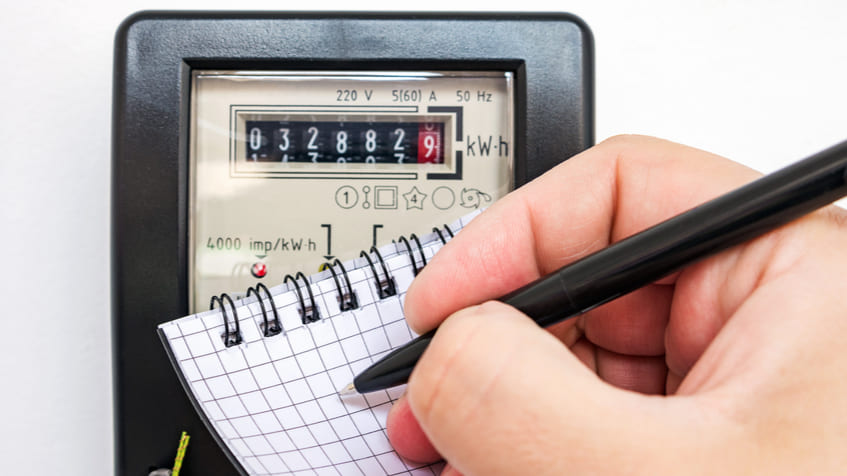

Per ottimizzare i costi dell’energia elettrica e risparmiare sulla bolletta della luce può essere utile calcolare il consumo dei dispositivi elettrici per uso domestico. Vediamo cos’è il kilowattora, calcolo ed esempi pratici.
Cos’è il kilowattora?
Il kilowattora (kWh) è l’unità di misura che si usa per calcolare il consumo dell’energia elettrica e, quindi, misura i consumi di energia elettrica dell’utente di una compagnia di fornitura. Chiunque abbia letto una bolletta della luce avrà notato che il kW esprime due differenti valori:
- La potenza impegnata
- La potenza disponibile
La potenza impegnata indica la quantità di energia massima teorica che verrà erogata nell’abitazione o nell’ azienda del cliente come da contratto scelto. La potenza disponibile è il corrispondente pratico di quella impegnata, ed è un po’ più elevata.
How Betzella Explores the Evolution of UK Betting Regulations
The United Kingdom has long been regarded as one of the most sophisticated gambling markets in the world, with a regulatory framework that has evolved considerably over centuries. From the earliest betting shops that emerged in the post-war era to today’s comprehensive digital gambling ecosystem, UK betting regulations have undergone transformative changes that reflect shifting societal attitudes, technological advancements, and economic priorities. Understanding this evolution provides valuable insights into how modern operators navigate an increasingly complex regulatory landscape while balancing consumer protection with market innovation. The journey from Victorian-era gambling restrictions to contemporary digital oversight represents a fascinating case study in adaptive governance.
The Historical Foundation of UK Betting Laws
The roots of modern UK betting regulation can be traced back to the Betting and Gaming Act of 1960, which fundamentally reshaped the gambling landscape by legalizing betting shops for the first time. Prior to this landmark legislation, off-course betting had been illegal since the Street Betting Act of 1906, driving the activity underground and creating an unregulated shadow economy. The 1960 Act represented a pragmatic acknowledgment that prohibition had failed, and that legalization with proper oversight would better serve public interest.
The legislation established strict parameters for betting shop operations, including restrictions on advertising and requirements that premises remain deliberately unwelcoming to discourage excessive gambling. These shops could not have comfortable seating, refreshments, or even show live sports broadcasts—measures designed to make betting a purely transactional activity rather than a leisure destination. This austere approach reflected the prevailing moral concerns about gambling’s potential social harms.
The Gaming Act of 1968 further refined the regulatory framework, introducing licensing requirements and establishing the Gaming Board for Great Britain as the primary regulatory authority. This period marked the beginning of structured oversight, with regulators tasked with ensuring fair play, preventing criminal infiltration, and protecting vulnerable individuals. The foundation laid during this era would prove essential as the industry expanded and diversified in subsequent decades.
Modernization and the Digital Transformation
The turn of the millennium brought unprecedented challenges and opportunities to UK betting regulation. The Gambling Act 2005 represented the most comprehensive overhaul of gambling laws in decades, consolidating previous legislation and creating a unified regulatory framework for all forms of gambling. This Act established the Gambling Commission as the successor to the Gaming Board, granting it expanded powers to license operators, enforce compliance, and protect consumers across all gambling sectors.
Perhaps most significantly, the 2005 Act acknowledged the reality of online gambling and created a licensing regime for remote operators. This forward-thinking approach positioned the UK as a leader in regulated online gambling, attracting operators from around the world to obtain British licenses. The Act introduced three core licensing objectives: keeping gambling crime-free, ensuring fairness and transparency, and protecting children and vulnerable adults. These principles continue to guide regulatory policy today.
As the digital gambling market matured, platforms like Betzella began exploring how evolving regulations shaped operator responsibilities and consumer experiences within the UK market. The shift from land-based to online betting required regulators to develop new expertise in areas such as digital identity verification, responsible gambling tools, and algorithmic fairness. The Gambling Commission responded by implementing increasingly sophisticated technical standards, including requirements for self-exclusion systems, deposit limits, and reality checks that interrupt extended gambling sessions.
The 2014 Gambling (Licensing and Advertising) Act marked another pivotal moment, introducing the “point of consumption” tax model. This legislation required all operators serving UK customers to hold a UK license and pay taxes on revenue generated from British consumers, regardless of where the company was based. This closed a significant loophole that had allowed offshore operators to serve UK customers without contributing to the British economy or submitting to full regulatory oversight. The change generated substantial additional tax revenue while creating a more level playing field for domestically-based operators.
Contemporary Challenges and Regulatory Tightening
Recent years have witnessed an intensification of regulatory scrutiny, driven by growing concerns about problem gambling rates and the aggressive marketing practices of some operators. The Gambling Commission has substantially increased enforcement actions, issuing record fines for compliance failures and revoking licenses for serious breaches. High-profile cases involving inadequate anti-money laundering controls and failures to protect vulnerable customers have prompted calls for even stricter oversight.
In 2019, the ban on credit card gambling came into effect, prohibiting operators from accepting credit cards for online and offline gambling transactions. This measure aimed to prevent gamblers from accumulating dangerous levels of debt and was supported by evidence showing that credit card users were disproportionately likely to experience gambling-related harm. The ban represented a significant intervention in consumer choice, justified by public health considerations.
The whistle-to-whistle advertising ban, implemented in 2019, restricted gambling advertisements during live sports broadcasts before the 9pm watershed. This voluntary agreement between operators and regulators acknowledged concerns about children’s exposure to gambling marketing during family viewing times. More recently, discussions have intensified around potential further restrictions, including a complete ban on gambling sponsorship of sports teams and comprehensive advertising limitations.
The ongoing Gambling Act review, announced in 2020, represents the most comprehensive examination of gambling regulation since the 2005 Act. Key areas under consideration include affordability checks, stake limits for online gambling, enhanced protections for young adults, and stricter controls on gambling advertising and sponsorship. The review reflects a fundamental reassessment of the balance between commercial freedom and consumer protection, with indications that regulation will become considerably more restrictive in coming years.
The Future Regulatory Landscape
Looking ahead, UK betting regulations appear set to continue evolving toward greater consumer protection and stricter operator accountability. Emerging technologies such as artificial intelligence and machine learning present both opportunities and challenges for regulators. These tools can enhance responsible gambling interventions by identifying at-risk behavior patterns earlier, but they also raise privacy concerns and questions about the appropriate level of operator intervention in customer activities.
The concept of “frictionless” gambling—where bets can be placed instantly through mobile devices with minimal barriers—has come under particular scrutiny. Regulators are exploring measures to introduce deliberate friction into the gambling experience, such as mandatory pauses, enhanced warnings, and more prominent display of losses. These interventions challenge the industry’s emphasis on convenience and user experience but reflect growing prioritization of harm prevention over commercial considerations.
International cooperation on gambling regulation is also increasing, with UK authorities sharing best practices and coordinating enforcement actions with counterparts in other jurisdictions. As gambling becomes increasingly globalized through digital platforms, cross-border regulatory collaboration becomes essential for effective oversight. The UK’s experience and expertise position it as a influential voice in shaping international regulatory standards.
The regulatory trajectory suggests a future where operators face substantially higher compliance costs, more intensive monitoring requirements, and greater restrictions on marketing and product design. This environment will likely favor larger, well-resourced operators capable of meeting sophisticated regulatory demands while potentially creating barriers for smaller entrants. The challenge for policymakers will be maintaining a competitive market while achieving public health and consumer protection objectives.
The evolution of UK betting regulations reflects a continuous balancing act between enabling a legitimate, economically significant industry and protecting individuals and society from gambling-related harms. From the austere betting shops of the 1960s to today’s sophisticated digital platforms, regulatory approaches have adapted to changing technologies, business models, and social expectations. As the current Gambling Act review progresses, further significant changes appear inevitable, cementing the UK’s position as a jurisdiction where consumer protection increasingly takes precedence over commercial liberalization. This ongoing evolution demonstrates that effective gambling regulation requires constant vigilance, adaptation, and willingness to intervene when evidence indicates that existing frameworks are insufficient to prevent harm.
Il kilowattora si può definire come la quantità di energia assorbita in un’ora dagli apparecchi elettrici che hanno una potenza di 1kW cioè 1000 Watt. Facciamo un esempio:
Un forno a microonde da 800 W consuma 0,8 kWh. Se lo si usa per mezz’ora consumerà 400 W.
Il consumo degli elettrodomestici varia a seconda della loro efficienza energetica e del loro rendimento, incide sulla bolletta anche il numero degli apparecchi elettronici che si dispone e il numero dei componenti del nucleo familiare che ne fanno uso, così come le loro abitudini. Ma approfondiamo meglio come calcolare i kilowattora.
Quanto costa un kilowattora?
Calcolare e capire i consumi permette di ridurre gli sprechi e risparmiare energia, se poi scegli l’offerta Energit CASA ottieni un risparmio immediato: avrai gratis i primi 50 kWh di consumo mensile della componente energia, che diventano 100 kWh gratis ogni mese se sei un’azienda.
Energit ti aiuta a risolvere definitivamente il problema della bolletta e a produrre da solo l’energia che consumi, passando al fotovoltaico anche con il contributo degli incentivi statali. A tutto questo si aggiunge una maggiore attenzione per l’ambiente. Vuoi sapere a quanto equivalgono 50 kWh gratis ogni mese?
Ad esempio, ad oltre 650 cicli di lavatrice oppure a 1.200 giorni di luce per la tua casa (illuminazione media di un appartamento stimata in 5 lampade da 20W ciascuna, accese mediamente 5 ore al giorno, tutti i giorni).
Passando al mercato libero puoi scegliere la tariffa col prezzo per kWh più conveniente.
Kilowattora: calcolo
Scopriamo la formula per calcolare i kilowattora.
Per sapere in media la potenza disponibile, si deve aggiungere il 10% alla potenza impegnata, quindi, ad esempio, se il consumatore ha scelto da contratto di impegnare 3 kW, può salire fino a una capacità di 3,3 kW senza veder saltare la luce.
Per calcolare il consumo degli elettrodomestici bisogna, innanzitutto, conoscere la potenza di ogni singolo apparecchio e moltiplicarla per il tempo di utilizzo. In sintesi, il kilowattora è il risultato della moltiplicazione di due variabili:
- Potenza
- Tempo
Basta quindi moltiplicare la potenza del dispositivo per il numero di ore al giorno in cui resta in esecuzione? Si, ma è indispensabile conoscere anche i costi applicati dal fornitore di energia elettrica al quale ci si affida, e quindi avere a portata di mano la bolletta della luce.
Bene, adesso non ti resta che prendere una calcolatrice.
Moltiplica la potenza in Watt del singolo apparecchio per le ore di utilizzo, e dividi poi il risultato per 1000. In questo modo si ottiene il kilowattora calcolo, cioè il valore del consumo che potrai moltiplicare per il prezzo medio dell’energia.
Per calcolare, invece, il consumo annuo, basterà moltiplicare il consumo giornaliero per il numero di giorni di utilizzo degli elettrodomestici all’anno e moltiplicare, infine, il risultato per il costo energia.
In alternativa, puoi acquistare un contatore che misura la quantità reale di energia assorbita da un elettrodomestico.
Esempio di calcolo del consumo degli elettrodomestici
Quasi tutti i dispositivi elettrici, come saprai, sono dotati di un’etichetta che riporta la potenza massima assorbita quando sono funzione, in genere espressa in Watt. Per stimare i kilowattora dovrai partire da questo numero.
Ipotizziamo di voler conoscere il consumo di un ventilatore di 250 W che funziona in media 5 ore al giorno. Il suo consumo giornaliero sarà pari a: 250 W x 5 ore al giorno = 1250 wattora al giorno.
Bisogna ora convertire i wattora in kilowattora. Dato che 1 kWk corrisponde a 1000 W, basterà fare 1250:1000 = 1,25 kilowattora al giorno.
Per sapere quanti kWh consuma in un mese o in anno bisogna fare una moltiplicazione.
Quindi, 1,25 kWh/giorno x 30 giorni/mese = 37,5 kWh al mese.
Oppure moltiplicato per 365 giorni/anno = 456,25 kilowattora all’anno.
Adesso moltiplica questo dato per il costo dell’energia che trovi nella tua bolletta.